Sajjid Chenoy, India economist at JP Morgan is the new part-time member.

The year 2022 saw the Reserve Bank of India (RBI) start acting on the policy repo rate after a gap of two years. The six-member monetary policy committee of the RBI reduced interest rate sharply - by 115 bps - when Covid-19 struck in 2020. In March 2020, days after the nationwide lockdown was announced, MPC in an unscheduled meeting reduced the repo rate by 75 bps, followed by another 40 bps in May. Status quo was maintained for the next two years since the May repo rate hike.

'For the RBI, it is also strategic to allow the rupee to over-depreciate, then come and buy the rupee, and benefit from its appreciation. Speculators who have driven the rupee too low then make losses,' says Ashima Goyal.

Economic Advisory Council to the Prime Minister has identified ten themes, including economic growth and job creations that need attention.
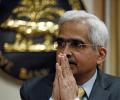
Uncertainty is emerging as the only certainty, said RBI Governor Shaktikanta Das as he emphasised on continued policy support at the December MPC meet during which members expressed concerns over spread of the Omicron variant of coronavirus, as per the minutes of the rate-setting panel released on Wednesday. After three days of deliberations, the six members of the Monetary Policy Committee (MPC) on December 8 unanimously voted for status quo on policy rates for the ninth consecutive time. At the meeting, the RBI Governor said risks stalking the global economy have amplified with rapid spread of the virus mutations, including the Omicron variant, leading to countries scrambling for restrictions.

The plan could mature into either an umbrella programme for urban youths similar to the Garib Kalyan Rozgaar Abhiyaan or a modified urban-focused version of MGNREGS.

Economists have asked Finance Minister Arun Jaitley to lower interest rate, rationalise subsidies, remove all cess and surcharge, do away with the retrospective tax amendments and scrap dividend distribution tax to revive investment cycle and promote growth.

The council wants the government to stick to its fiscal consolidation road map.

RBI unsure whether to cut rates or not in its next monetary policy.

MCX-SX on Friday said the rights issue would now close on April 17.

The Reserve Bank of India (RBI) on Friday decided to leave the benchmark interest rate unchanged at 4 per cent but maintained an accommodative stance, implying rate cuts in the future if need arises to support the economy hit by the Covid-19 pandemic.

Bank credit growth, still sluggish, could see a rise if the Reserve Bank of India decides to cut interest rates, believes Ashima Goyal.

RBI Governor Raghuram Rajan has said falling oil prices act as a cushion for CAD, adding it is time India does away with restrictions on gold imports

It is time the government cast its net wide for seeking expert advice on managing the Indian economy and formed a group to help it navigate the difficult days ahead, advises A K Bhattacharya.

'People know if inflation is not within the tolerance band, then action will be taken so they do not expect inflation to rise above that.'

Flexibly targeting inflation is consistent with a demand stimulus, says Ashima Goyal.